EDI Solutions for Retail & Consumer Goods
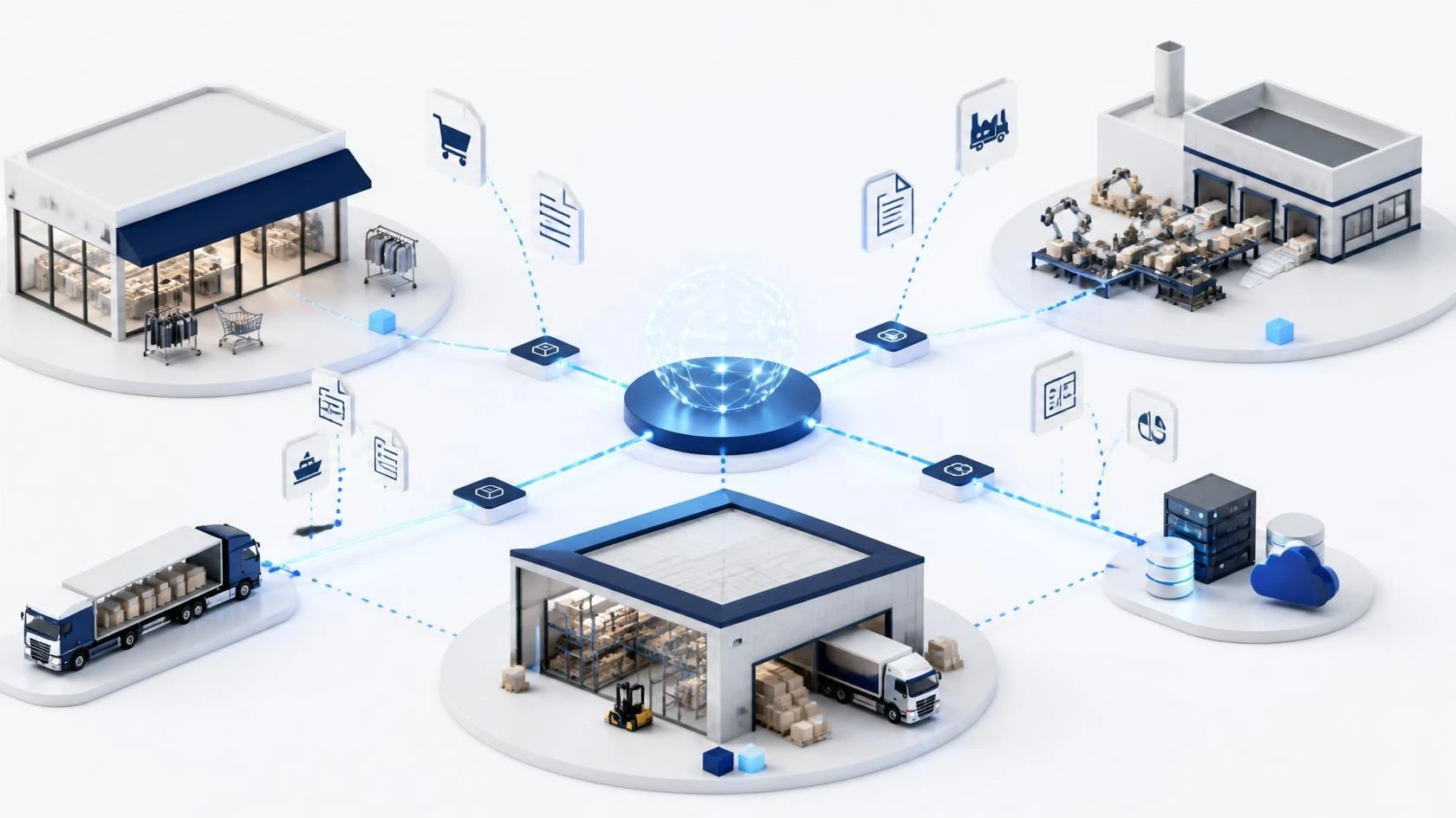
Selling into major retailers means operating under their EDI rules, not yours. Every purchase order, advance ship notice, and invoice you send has to match a retailer's specific timing windows, labeling standards, and data requirements, and a single mismatch can trigger a chargeback before your product ever reaches the shelf. Our EDI solutions automate that compliance, connecting your systems directly to each retailer's requirements, so your team stops absorbing penalties for errors that automation should have caught.
What EDI Chargebacks Are Quietly Costing You
For brands selling into major retailers, EDI chargebacks can represent between 2% and 5% of total revenue, a drag on margin that often exceeds a company's entire marketing spend, and few teams trace it back to its root cause. A late advance ship notice becomes a chargeback. An invoice that doesn't reconcile with the original purchase order becomes a deduction dispute. An unacknowledged purchase order becomes a call from a buyer who assumes the problem sits on your end.
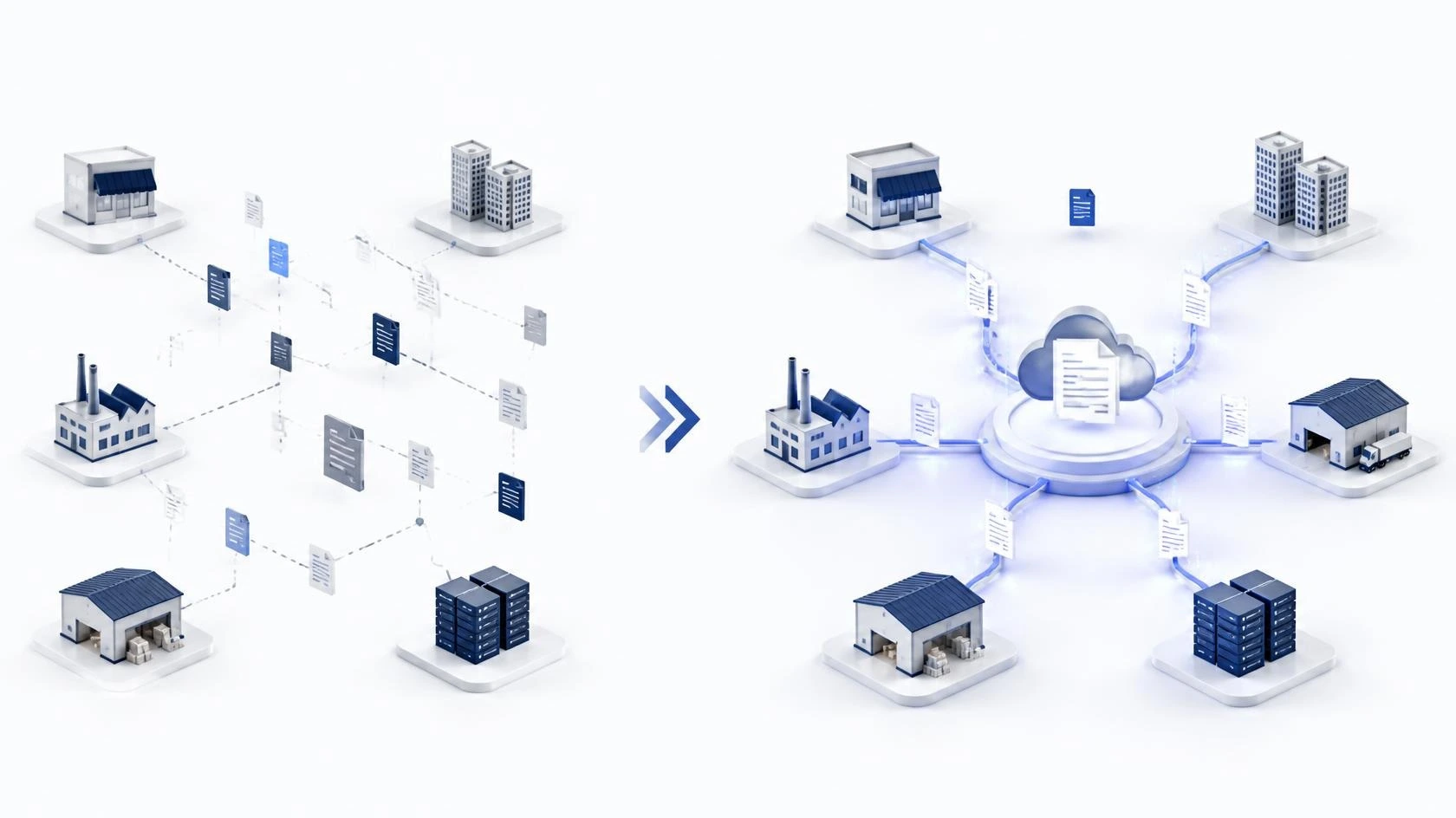
The pattern is fixable. One consumer brand brought its on-time shipment rate above 95% and cut transaction processing time from as long as 24 hours down to seconds after moving to a modern EDI setup. The supply chain didn't change. The data layer underneath it did.
Automate the EDI Documents Retailers Require

Purchase Orders and Order Acknowledgments
We automate EDI 850 (Purchase Order) and the required 997/999 functional acknowledgments, so retailers get the confirmation they expect within their required response window.

Advance Ship Notices Built to Retailer Specifications
We configure EDI 856 (Advance Ship Notice) transactions to match each retailer's carton count, quantity, and SSCC labeling requirements, since ASN mismatches are one of the most common sources of retail chargebacks.

Invoicing That Reconciles with the Original Order
We automate EDI 810 (Invoice) and align pricing, freight terms, and allowance deductions with the original purchase order data, reducing the discrepancies that lead retailers to short pay.

GS1 Labeling and Packaging Compliance
We build your shipment data to align with GS1-128 carton and pallet labeling standards, so physical shipments match the electronic documentation retailers use to automate receiving.
Build Retailer-Ready EDI Compliance

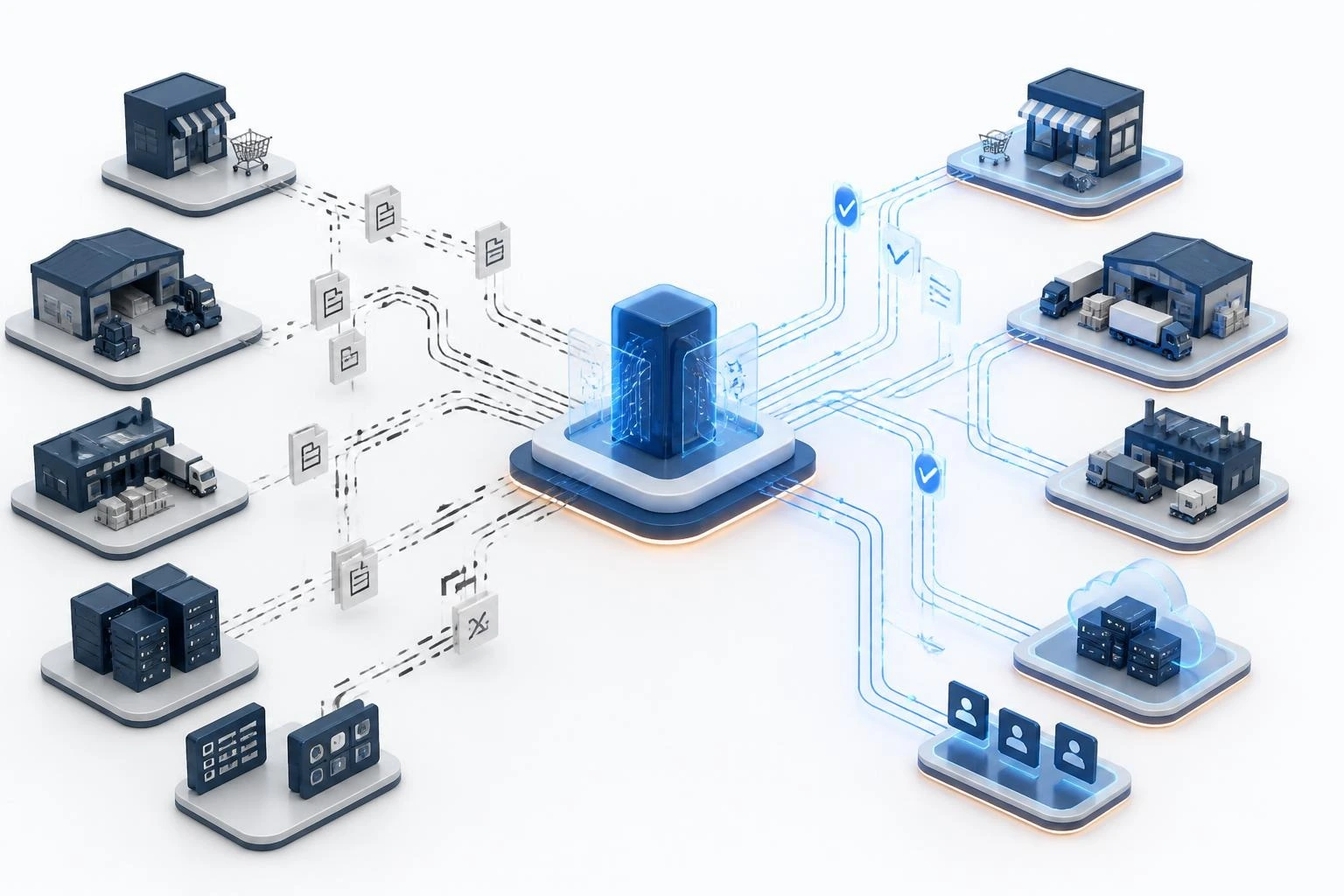
Most chargebacks trace back to inconsistent data between your ERP, warehouse, and EDI systems rather than a single point of failure. We diagnose the actual source before building the fix.

Each retailer publishes its own implementation guide covering timing, labeling, and acknowledgment rules. We configure your integration to enforce these automatically instead of relying on a team member to remember them.

Retailers typically require certification testing before allowing live transactions. We validate your integration against real order scenarios first, so certification testing confirms readiness instead of surfacing problems.
When Your EDI Setup Needs to Evolve
Revisit your EDI setup when chargebacks or deductions start climbing, when you're onboarding a new retail account with its own compliance requirements, when a current retailer updates its EDI specification or labeling standard, or when your team is manually tracking compliance rules that your integration should enforce automatically.
Common Questions About EDI for Retail & Consumer Goods
Which EDI transactions matter most for consumer goods brands?
The most common are EDI 850 (Purchase Order), 856 (Advance Ship Notice), 810 (Invoice), and the 997/999 functional acknowledgments most retailers require within a defined response window.
What typically causes retail EDI chargebacks?
Common causes include late or inaccurate ASNs, carton count or SSCC labeling mismatches, invoice data that doesn't reconcile with the original purchase order, and acknowledgment windows your team misses.
How much can chargebacks cost a brand?
For brands selling to major retailers, chargebacks can represent 2% to 5% of total revenue depending on order volume and error frequency, often adding up to more than a company spends on marketing.
Do all retailers use the same EDI requirements?
No. Each retailer publishes its own implementation guide covering timing windows, labeling standards, and acknowledgment rules. We map each retailer's requirements individually rather than applying one generic setup.
What is GS1-128 labeling, and why does it matter?
It's a standardized barcode format many retailers require cartons and pallets to automate receiving. A mismatch between your labels and your ASN data disrupts their warehouse automation and commonly triggers a chargeback.
How long does it take to become EDI compliant with a new retailer?
Timelines depend on the retailer's specific implementation guide and certification testing process. We provide a specific timeline once we've reviewed its requirements.
What happens during a retailer's certification testing?
Retailers typically require you to pass test transactions against their specifications before allowing live orders. We validate your integration beforehand so certification testing confirms what's already working.
Can EDI integrate with our existing ERP and inventory systems?
Yes. We connect your EDI transactions directly to your ERP and inventory systems, so purchase order, ASN, and invoice data stay consistent across all three instead of drifting apart.
What should we do if we're already receiving chargebacks?
We trace the specific transactions generating disputes back to their root cause, whether that's a data mismatch, a timing issue, or a labeling error, and correct it in the integration itself.
What should we prepare before starting an EDI implementation?
Gather each retailer's implementation guide, a record of recent chargebacks or deductions if you have them, and a point of contact who understands your ERP and warehouse operations.
How do we know if our current EDI setup needs an upgrade?
Rising chargebacks, recurring errors with a specific retailer, or manual workarounds your team has built to catch compliance issues before they ship are common signals.
How do we maintain compliance after go-live as retailer requirements change?
We monitor transaction performance and update your integration as retailers revise their implementation guides, so your compliance doesn't lapse when a specification changes.