EDI Solutions for Logistics & Transportation
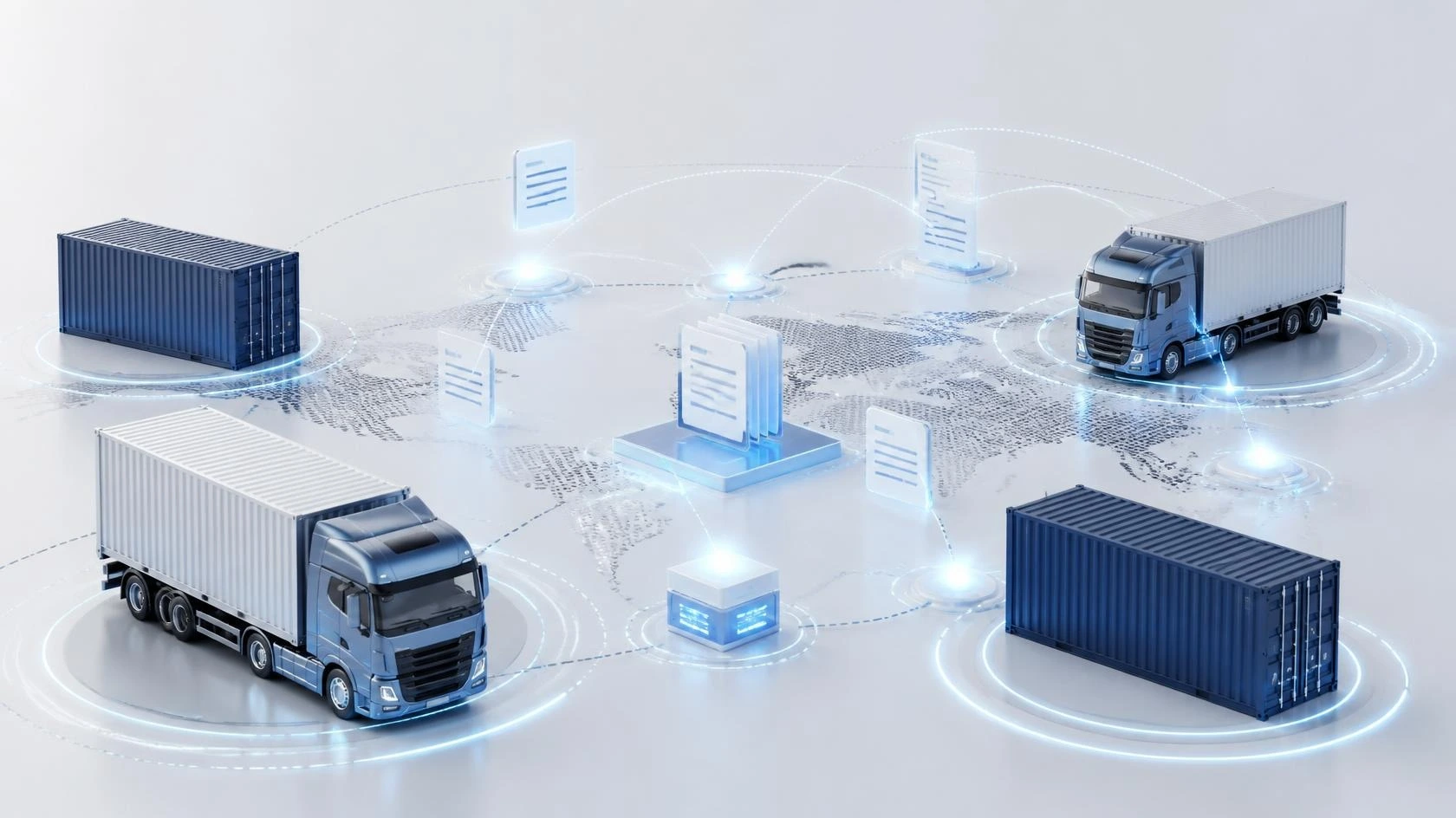
Freight carriers, brokers, and third-party logistics providers rely on a constant exchange of load tenders, shipment status updates, and invoices between shippers, carriers, and customers. When those documents travel by phone, email, or fax, delays and manual entry errors compound at every handoff. Our EDI solutions automate the exchange of load tenders, shipment status, and freight invoices with your trading partners, so your team spends less time chasing paperwork and more time moving freight.
The Cost of Running Logistics on Fragmented Data
Visibility alone no longer separates a good logistics operation from a struggling one. According to FedEx's 2026 Future of Logistics Intelligence report, 97% of logistics leaders agree that visibility by itself is no longer enough to stay competitive, yet only 22% say they have access to all the data types they need. The same report found that 87% of decisionmakers say supply chain inefficiencies carry significant annual costs for their organization.
That gap between what leaders can see and what they can act on often traces back to how data moves between systems. When a load tender, shipment status update, or invoice depends on someone manually keying it into a TMS, the resulting delay or transcription error erodes the same visibility your team is trying to build.

Automate the Transactions That Keep Freight Moving

Load Tenders and Booking Confirmations
We automate EDI 204 (Motor Carrier Load Tender) and 990 (Response to Load Tender) exchanges, so tenders reach carriers instantly and confirmations flow back without a phone call or email chain.

Shipment Status and Tracking Updates
We configure EDI 214 (Transportation Carrier Shipment Status) so shippers and customers get real-time visibility into pickup, transit, and delivery milestones without your team manually updating a portal for every load.

Freight Invoicing and Payment Documents
We automate EDI 210 (Freight Invoice) and related payment transactions, reducing the billing disputes and payment delays that come from manually entered invoice data.

Purchase Orders and Advance Ship Notices
For carriers and logistics providers also handling retail or manufacturing freight, we configure EDI 850 (Purchase Order) and 856 (Advance Ship Notice) to keep your operation aligned with customer compliance requirements.
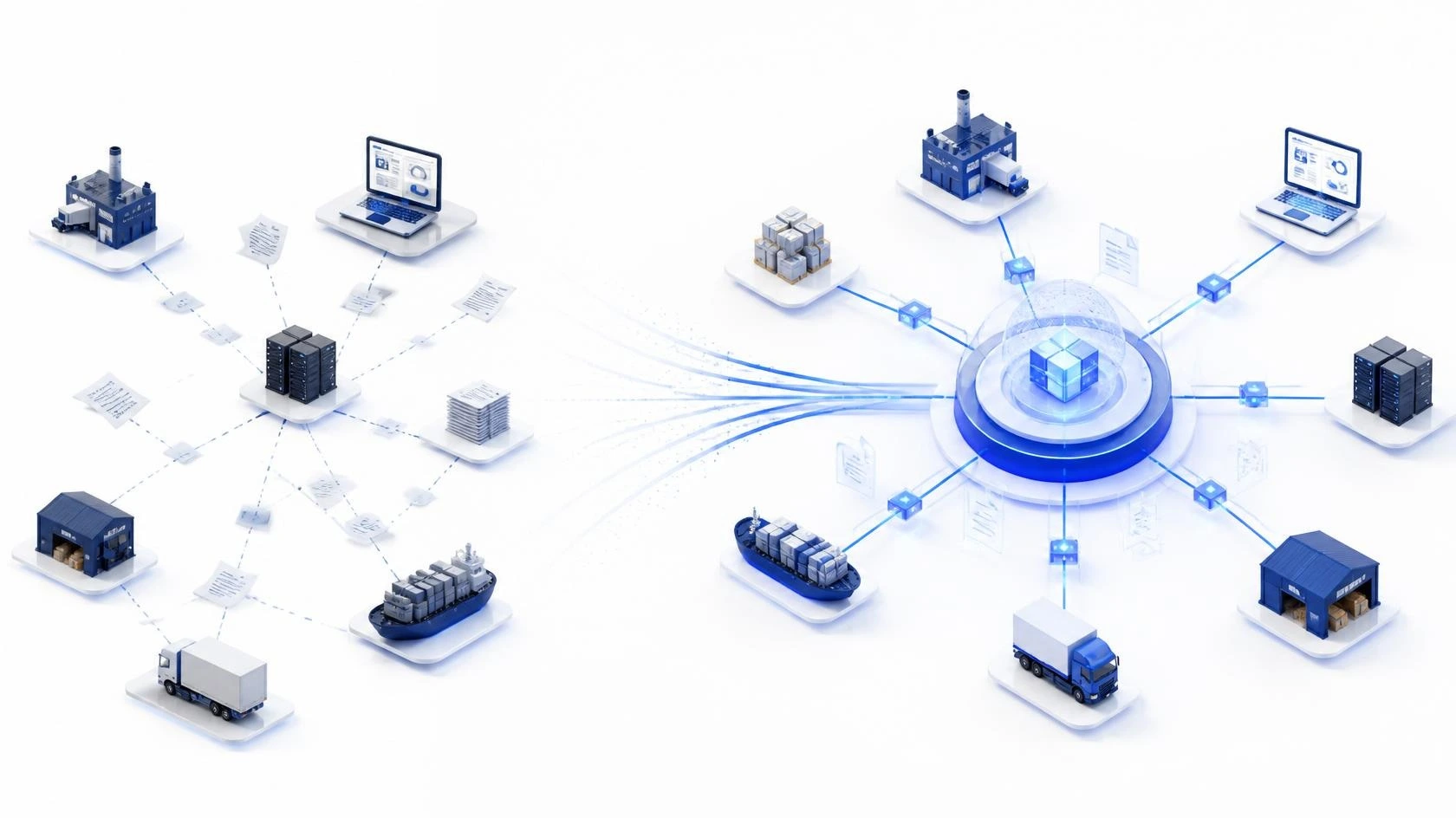
From Manual Handoffs to Automated Trading Partner Connections

Every shipper, carrier, and broker you work with has its own EDI specifications and version requirements. We document these precisely before building a single connection, so integration work doesn't stall on rework later.

Freight doesn't always move on schedule. We build your EDI integrations to handle exceptions like delayed shipments, reweighs, and accessorial charges, not just the clean, on-time transaction.

We put each trading partner connection through a full testing cycle against their specific requirements before go-live, so we catch errors during testing rather than in a live shipment.
When to Modernize Your EDI Setup
Your EDI needs change as your trading partner network grows or as partners update their requirements. Revisit your EDI setup when you're onboarding a new major shipper or carrier, when an existing partner mandates a new transaction set or version, when your current setup can't keep pace with shipment volume, or when manual workarounds have crept back into a process that used to be automated.
Common Questions About EDI for Logistics & Transportation
Which EDI transactions matter most for a logistics or trucking company?
The most common are EDI 204 (Load Tender), 990 (Load Tender Response), 214 (Shipment Status), and 210 (Freight Invoice). Carriers and brokers handling retail freight often also need 850 (Purchase Order) and 856 (Advance Ship Notice).
How long does it take to onboard a new trading partner?
Timelines depend on the partner's specific EDI requirements and how many transaction sets are involved. We provide a specific timeline once we've reviewed the partner's implementation guide.
What happens if a shipper or carrier changes their EDI requirements?
We update the affected mapping and retest the connection before the change goes live, so the update doesn't disrupt transactions already running in production.
Can EDI integrate with our existing TMS?
Yes. We connect your EDI transactions directly to your transportation management system, so shipment and status data flows automatically instead of requiring manual entry on either end.
How does EDI handle exceptions like delays or reweighs?
We build exception handling directly into your integration so that delayed shipments, reweighs, and accessorial charges route correctly rather than falling back to a manual process.
Do small or mid-size carriers need EDI, or is this only for large fleets?
Trading partner requirements, not fleet size, typically determine whether EDI is necessary. If a shipper or broker you work with mandates EDI, that requirement applies regardless of your company's size.
What's the difference between a VAN and direct AS2 connection?
A Value-Added Network (VAN) routes EDI transactions between you and your trading partners through a shared network, while AS2 establishes a direct, encrypted connection between two systems. We help determine which approach fits your trading partner mix.
How do we know if our current EDI setup is falling behind?
Common signs include manual workarounds creeping back into a process, recurring errors with a specific trading partner, or an inability to onboard new partners without extended delays.
What should we prepare before starting an EDI implementation?
Gather each trading partner's EDI implementation guide, identify which transaction sets and reference data each one requires, and have a point of contact who understands your current ERP and production systems.
Can EDI reduce billing disputes with shippers or customers?
Yes. Automating freight invoicing through EDI 210 reduces the data entry errors that commonly trigger billing disputes and payment delays.
What happens during the testing phase before go-live?
We run test transactions against each trading partner's specific requirements, checking for correct formatting, accurate data mapping, and proper handling of exceptions before authorizing production traffic.
How do we maintain EDI connections after go-live?
We monitor transaction flow for errors and update mappings as your trading partners' requirements evolve, so your integrations stay functional as your network changes.